WWE SuperCard - Wrestling Game
- 4.5
- Rating
- 10.00M
- Installs
- Free
- Price

 Analysis by App-foxy
I approached WWE SuperCard as a newcomer rather than as someone already familiar with collectible wrestling games. That matters because the opening experience can feel busier than a traditional wrestling title: you are not simply choosing a wrestler and entering a match. You are building a card-focused collection, learning how different activities connect, and deciding how much attention you want to give to upgrades, events, and competition.
After spending time with it, I see a clear appeal for fans who enjoy WWE presentation but prefer short, repeatable sessions over a full console-style wrestling simulation. It is a free sports game from 2K, Inc., a Take-Two Interactive affiliate, and its large community is reflected in an average rating of 4.5 from roughly 641 thousand ratings. That popularity makes sense, although it does not remove the need to understand the game’s progression before spending money or committing to long-term play.
What to expect when you begin
The most useful expectation to set is that this is a card-battling and collection game with WWE branding, not a miniature version of a console wrestling game. The fun comes from assembling a stronger roster, making choices about which cards deserve attention, and taking part in matches and activities that gradually test the quality of your collection. If you want detailed grappling controls, long entrances, and a complete wrestling sandbox, this will feel limited. If you like collecting, improving a team, and checking in for compact competitive sessions, the format is much easier to appreciate.
You May Also Like

 Google Keep - Notes and lists
Google Keep’s Quiet Growth Shows the Appeal of Simpler Notes
As mobile work gets busier, Google Keep keeps winning a simple contest: capture a thought quickly, find it later, and get on with the day.

 Blood Strike: 2.5 Anniversary
Blood Strike’s Loadouts Turn Every Drop Into a Tactical Gamble
A close look at Blood Strike’s custom loadouts: how fast access to signature weapons reshapes its battle royale rhythm, rewards preparation, and narrows the gap between fights.

 Pandora - Music & Podcasts
Pandora’s Music Is Easy to Start, but Harder to Recover
Pandora’s strength is its low-effort path from a seed to a station. Its weak spot is how much confidence it asks you to place in connection, setup, and quiet recovery.

 8 Ball Pool
 Is Built on Rivalries, Rematches, and Routine
A close look at the rivalries, rematches, shared routines, and unanswered safety questions that turn a quick pool match into a persistent mobile community.

 Samsung Music
’s Quiet Strength Is Playing What You Already Own
Its reach comes less from spectacle than from dependable access to a personal library. That simplicity is both the app’s strongest retention engine and its ceiling.

 AccuWeather: Weather Radar
AccuWeather Review: A Quick, Clear Forecast for Everyday Decisions
For everyday plans, the best forecast is the one you can understand quickly. AccuWeather makes rain timing, radar, and local conditions easy to act on, with a few trade-offs.
More From Our News Desk



The game is listed in the sports category, carries a Teen content rating, and is free to install. It has been available since August 13, 2014, so it is a mature title rather than a new experiment. The current version is 4.5.0.11733579, and it requires Android 7.0 or later. On Android, that makes checking your device version a sensible first step, especially if you are installing on an older phone or tablet.
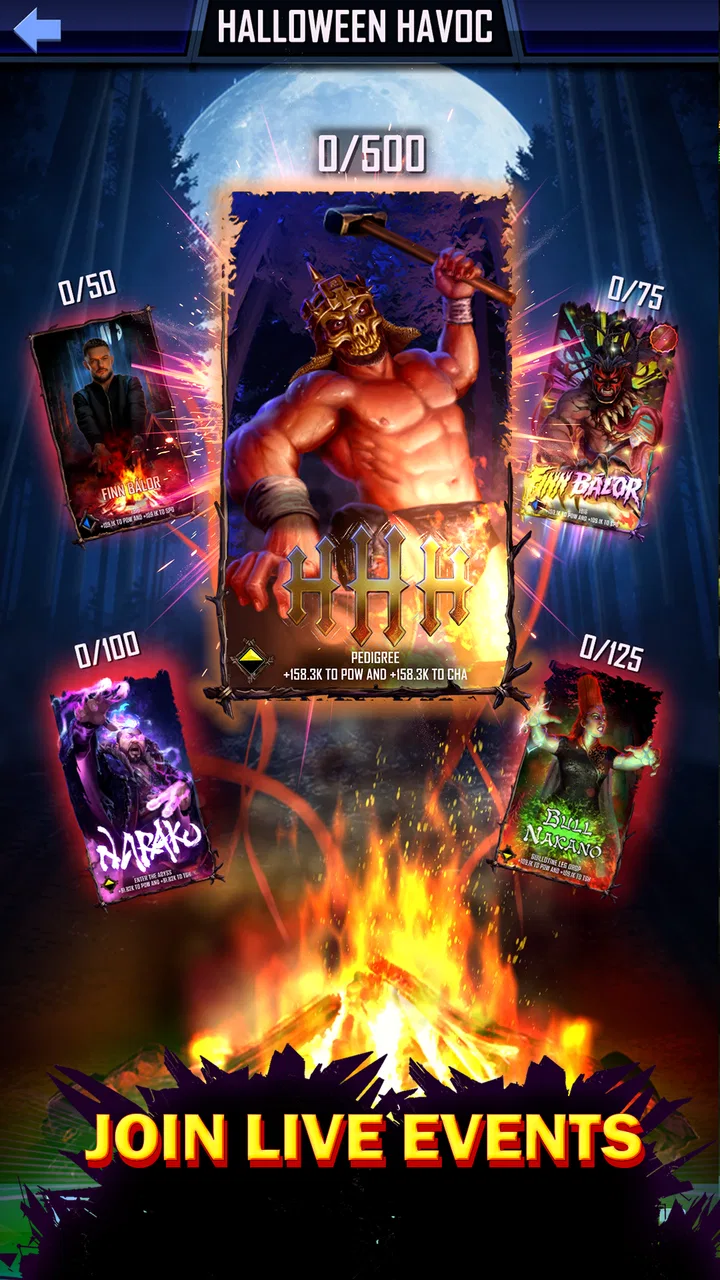
The store summary points toward Royal Rumble 2026, which gives the current experience a timely event-focused direction. I would treat that as an invitation to explore the active content rather than as a promise that every part of the game revolves around one mode. The important thing for a first-time player is to learn the regular loop first: play, inspect the rewards, improve the collection carefully, and only then decide which event or competitive path deserves your time.
There is also a reason not to rush through the opening screens. In a collection game, early choices can influence how comfortable the next several sessions feel. A card that looks exciting because it features a favorite WWE personality is not automatically the best card for every situation. I found it more useful to compare what a card contributes to the current lineup than to treat every new acquisition as an immediate replacement.
Making the first setup less confusing
During the first launch, I recommend reading the labels around the main menu instead of tapping quickly through everything. New players often assume that the most prominent button is the only meaningful route forward, but these games usually separate matches, collection management, rewards, and event activity. Taking a minute to identify those areas gives you a better mental map and prevents the common mistake of spending resources before understanding what they do.
My practical setup advice is simple: begin with the guided activity, complete the early objectives, and inspect your collection after each reward. Do not immediately try to optimize every slot. Early on, the goal is not perfect roster construction; it is learning how the game presents card strength, team composition, and progression. Once you know where those details appear, later decisions become far less intimidating.
Because the game is free, the first setup also includes a financial decision. In-app purchases range from $0.99 to $99.99 per item. I would leave purchases alone until you understand the normal reward rhythm and know whether you enjoy the basic loop. A paid bundle can feel useful in the moment, but it is difficult to judge its value when you have not yet learned how quickly ordinary play improves your collection or which type of reward matters most to you.
This is one of the first meaningful differences between WWE SuperCard and a conventional paid sports game. A console wrestling game generally asks you to learn controls and perhaps manage a career or roster. Here, the pressure is more about resource decisions and repeated progression. That can be relaxing for a collector, but it can also feel like administrative work if you would rather spend your time actively controlling every move.
How to reach a first meaningful success
For a first success, I would define the goal as completing an early match or activity with a clear understanding of why your lineup performed well. Do not measure the opening session only by whether you received a powerful card. Instead, notice how the game connects your choices to the result. Check which cards were used, what the reward screen offers, and whether a new card improves a weak area rather than merely increasing the size of the collection.
A useful workflow is to play one activity, review the result, and then make one deliberate adjustment. For example, if a newly earned card appears stronger in a relevant role, place it into the lineup and test the next opportunity. Changing the entire collection at once makes it harder to understand what helped. Small changes teach you more and reduce the chance of wasting a useful card or resource.
I also suggest keeping your first session focused. It is tempting to open every reward, browse every event, and chase the most dramatic option immediately. That creates noise. A calmer route is to finish the beginner path, learn the collection screen, and return to the mode that gives you the clearest sense of progress. Once you can explain why your current lineup is better than the previous one, you have reached the point where the game starts to become genuinely satisfying.
One non-obvious advantage of this approach is that it helps separate collection excitement from competitive value. A card can be memorable because of the wrestler it represents, yet still be less useful than a less glamorous card that fills a weakness in your current setup. I enjoyed the game more when I treated favorite wrestlers as part of the enjoyment, not as automatic instructions about what to keep or discard.
Where new players commonly get stuck
The first source of confusion is the difference between owning cards and having a useful team. A growing collection feels like progress, but the game becomes easier to read when you ask what each card actually changes. Look at the role it can play, compare it with the card already occupying that place, and consider whether the upgrade helps now or only becomes valuable after additional progression.
The second confusion is the relationship between everyday play and special events. Event screens can look more urgent than the regular activities, particularly when they feature recognizable WWE themes. I would not assume that the newest event is the best starting point. Learn the basic systems first, then use events as a way to add variety or pursue a particular reward. Otherwise, you may spend time chasing a target without understanding the underlying decisions.
A third issue is the temptation to interpret every reward as a reason to continue immediately. The game is designed around repeatable engagement, so it is easy to keep playing simply because another reward is close. I found it healthier to set a short session goal, such as completing a small group of activities or improving one part of the lineup, and then stop. That keeps the game from turning into an endless loop of checking menus.
Players should also understand that the Teen rating is part of the product’s presentation and audience positioning. Younger players and families should consider whether the competitive collection format and optional purchases suit their household expectations. The purchase range is broad enough that I would use the device’s normal spending safeguards and discuss purchases clearly with anyone else using the account.
How it compares with other wrestling and sports games
Compared with a traditional wrestling game, this title is more convenient and less physically expressive. You can make progress without learning a long list of grappling inputs, but you give up the feeling of directly performing a match. The trade-off is worthwhile for someone who enjoys planning a collection and watching choices produce results. It is a poor match for someone whose favorite part of wrestling games is timing reversals, controlling movement, or creating elaborate matches.
Compared with general sports card games, the WWE identity gives the experience a stronger sense of personality. The roster theme makes collecting feel more personal than managing anonymous athletes, especially if you already follow WWE. On the other hand, that theme may not be enough to carry the game for someone who does not care about wrestling. The underlying loop still depends on repeated collection and progression, so the license cannot replace interest in the format itself.
Compared with a simple arcade sports game, WWE SuperCard asks for more patience. Arcade titles often deliver immediate action and a quick restart. Here, the satisfying moment usually comes from improving a lineup over time, understanding rewards, and making a better choice in the next activity. I would choose this game for a commute, a short break, or a relaxed evening of incremental progress, not for a single uninterrupted session of high-intensity play.
Small habits that improve the experience
My first useful habit is to review the collection before claiming or using every reward. That sounds minor, but it gives context. If you know which area of your lineup is weakest, a reward becomes a decision instead of just another item added to a crowded inventory. This is especially helpful for first-time players who otherwise keep replacing cards without learning why.
The second is to avoid spending simply because a bundle appears at the right moment. Since the game is free and purchases can reach $99.99 per item, I would first establish a no-spend baseline. Play long enough to decide whether the normal progression is enjoyable on its own. If it is not, paying will not fix the central problem; if it is, you can judge optional purchases with a clearer idea of what they actually change.
The third is to use event content as a test of your understanding, not just as a source of urgency. When a Royal Rumble-themed activity or another featured challenge appears, ask what it requires from your current collection. If the answer is unclear, return to regular play and strengthen your fundamentals. This approach prevents the event calendar from dictating every session and makes success feel earned rather than random.
A fourth tip is to play in short, intentional blocks. The game works well when you have a few minutes to check progress, complete an activity, and make one roster decision. It is less appealing if you expect every session to produce a dramatic breakthrough. The long-term design rewards consistency and attention, while impatient play can make ordinary rewards feel disappointing.
Who will enjoy it, and who should skip it
I would recommend it to WWE fans who enjoy collecting digital cards, comparing options, and gradually building a stronger lineup. It is also a good fit for players who want a sports game that can be played in compact sessions without requiring the control precision of a full wrestling simulation. The community size is substantial, with more than 10 million installs, so newcomers are joining an established ecosystem rather than an empty one.
I would be more cautious recommending it to players who dislike free-to-play progression, repeated activities, or optional purchases. Even if you never spend, the presence of purchasable items can affect how you evaluate progress. Someone looking for a complete, self-contained wrestling experience should choose a conventional wrestling title instead. Someone who wants a purely casual game with no collection management may also find the menus and upgrade decisions tiring.
It is worth skipping if you are installing on a device below Android 7.0, since the listed minimum operating system is Android 7.0. It is also worth reconsidering if you are not interested in WWE at all. The card mechanics may hold your attention briefly, but the wrestling presentation is central to the game’s identity, not a decorative extra.
The next step after the first session
Once the introductory path makes sense, I would choose one clear direction rather than trying to master everything. You might focus on improving a weak part of the lineup, learning how event rewards fit into progression, or simply building a collection around wrestlers you enjoy. Each goal creates a different kind of satisfaction, and deciding which one matters to you makes the large number of menus feel more manageable.
At this stage, pay attention to whether the game’s rhythm suits you. Ask yourself whether the next reward feels motivating, whether roster decisions are interesting, and whether you enjoy returning even when the result is modest. Those answers are more useful than the initial excitement of opening cards. They tell you whether this can become a comfortable daily sports game or whether it is better treated as a short experiment.
My final view is positive but measured. WWE SuperCard succeeds when I approach it as a collectible sports strategy game with wrestling character, not as a replacement for hands-on wrestling gameplay. Its free entry, established community, current Royal Rumble 2026 focus, and accessible short-session structure make it easy to try. The friction comes from progression management, event pressure, and the need to think carefully about optional spending.
If you enjoy WWE and want a game built around improving a collection one decision at a time, I think it is worth installing. Start slowly, learn what each reward contributes, and leave purchases until you understand the normal loop. That path gives a first-time player the best chance of reaching a meaningful early success without feeling overwhelmed. For me, the strongest part is not any single card; it is the gradual moment when the collection begins to feel like a team I built with purpose.
FAQs for WWE SuperCard - Wrestling Game
01What is WWE SuperCard and how does it work?
WWE SuperCard is a collectible card game that features WWE superstars, legends, and unique wrestling-themed cards. Players engage in real-time card battles using strategically built decks. The game includes various modes, such as PvP and solo play, allowing users to compete in tournaments and events to earn rewards and improve their decks.
02Is WWE SuperCard free to play, and are there in-game purchases?
Yes, WWE SuperCard is free to download and play on both Android and iOS platforms. However, it offers in-game purchases that allow players to buy card packs, credits, and other items. These purchases can enhance gameplay by speeding up progression or acquiring exclusive cards, but they are entirely optional.
03What are the system requirements for WWE SuperCard?
For Android devices, WWE SuperCard requires Android 4.2 and up, while iOS devices need iOS 12.0 or later. The game is optimized for both smartphones and tablets. Adequate storage space and a stable internet connection are essential for smooth gameplay, as the game frequently updates with new content and features.
04How does multiplayer work in WWE SuperCard?
Multiplayer in WWE SuperCard is primarily based on PvP battles, where players compete against others worldwide in real-time. The game includes ranked matches, team events, and special tournaments. Players can join teams to collaborate with friends and other users, aiming for higher rewards and exclusive content.
05Can I play WWE SuperCard offline?
No, WWE SuperCard requires an internet connection to play. The game is designed to deliver real-time multiplayer experiences, frequent updates, and live events, all of which necessitate online access. Players need to be connected to Wi-Fi or mobile data to enjoy the full features of the game.
Pros
- Engaging collectible card gameplay.
- Regular updates with new content.
- Multiplayer modes are exciting.
- Intuitive and easy-to-use interface.
- Graphics are vibrant and detailed.
Cons
- In-app purchases can be costly.
- Requires constant internet connection.
- Progress can feel slow without spending.
- Occasional server issues.
- Limited offline features.

WWE SuperCard - Wrestling Game
Gallery